Table of Contents
ToggleContrary to popular belief, allergy flare-ups aren’t exclusive to warmer seasons like spring, summer, and fall. Winter allergies are also a thing and pose real risks to certain individuals. Even before the chill fully sets in, allergens can start accumulating indoors as homes are sealed against the cold. The lower temperatures and shorter days may drive people to retreat inside, where their exposure to allergens can skyrocket and set off a wave of allergy symptoms. Luckily, an air purifier can rid your home’s air of these triggers, so you can breathe easier and navigate the season with fewer allergic reactions.
Read on to learn what indoor allergens may be provoking your winter allergies, where they come from, and how the right air purifier can help lessen the symptoms.
Experiencing “winter allergies” doesn’t mean you’ll be hit with symptoms the moment winter arrives. The real reason your allergies may act up this time of year has less to do with the weather itself and more so changes in the indoor environment as a result of it. The American College of Allergy, Asthma and Immunology (ACAAI) outlines a few reasons for the uptick in winter allergy symptoms:
To be clear, winter allergies don’t only occur in winter, unlike seasonal allergies that are typically tied to specific seasons. The Asthma & Allergy Center points out that winter allergies are a type of “perennial allergy,” also known as indoor allergies or year-round allergies. This means flare-ups can occur at any time of the year if the allergens are present in your home. But for reasons explained earlier, the symptoms are often more noticeable and problematic during the winter months.
Related article: 7 Common Winter Indoor Air Quality Issues (and Solutions)
Winter typically marks the end of high pollen counts, but the allergy surges don’t stop when the weather turns chilly. Hunkering down inside can still expose you to a host of allergy triggers. If your allergies seem worse during the cold season, you can thank these common indoor allergens:
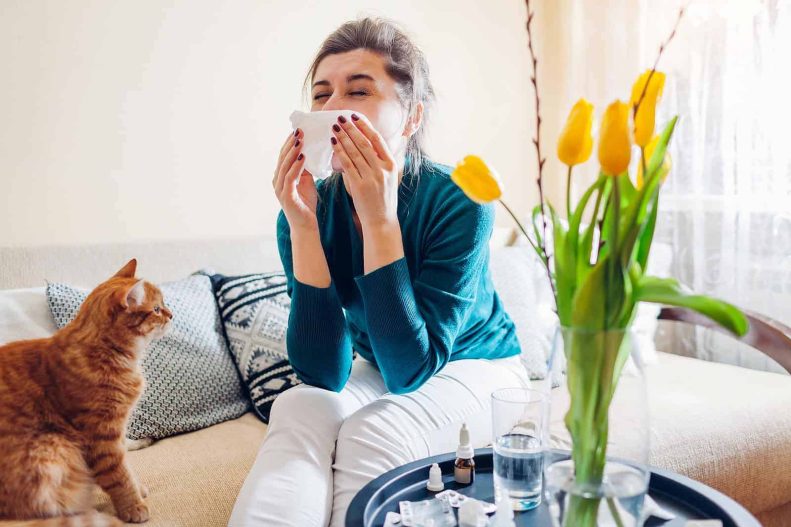
The chilly, wintry weather generally means more time spent indoors with pets. But although they make great snuggle buddies, the opposite may be true for people with pet allergies. With less fresh air circulating indoors during the colder winter season, dander, or dead skin flakes from animals like dogs and cats, may linger for longer in indoor spaces. The proteins found in the pet’s dander, as well as in their saliva, urine, and feces, can wreak havoc on the sinuses of sensitive and unsuspecting individuals, says the Asthma and Allergy Foundation of America.
If you suspect you or a loved one has pet allergies, the American Academy of Allergy, Asthma & Immunology advises keeping pets out of your bedroom and bathing and grooming them regularly to minimize dander. Designate pet-free zones, particularly in bedrooms, and vacuum carpets and upholstery with HEPA or double‑filter bags. Also, make sure to launder items such as pillowcases and bedding frequently, and consider using an air purifier with a HEPA filter to help minimize the presence of dander in the air.
There is a common misconception that dust is what triggers dust allergies. The truth is, dust is merely a carrier of the actual allergens: dust mites. These microscopic insect-like pests can be a menace to people with indoor winter allergies. Invisible to the naked eye, dust mites feed on dead human and animal skin cells and thrive in warm, moist environments, such as heated household spaces. Due to this, they naturally live in or near places where people and pets hang out during winter, such as sofas, bedding, carpets, and curtains. While dust mites don’t sting, bite, or burrow into our bodies, their droppings, urine, and decaying bodies contain special proteins that some people are allergic to.
A single mattress can harbor up to 10 million dust mites, creating a haven of allergens where you spend a third of your life. Luckily, there are ways to reduce your exposure to these tiny critters. For starters, clean your home thoroughly (ideally at least once a week), vacuum carpets and upholstery regularly, and don’t forget to change your AC and heating filters. Wash and dry beddings and covers on high heat weekly, and use special allergen-proof encasements for cushions, mattresses, and pillows to prevent infestations. If possible, replace carpets with hardwood flooring and swap upholstered furniture for ones with smooth surfaces. Combine these measures with a HEPA air purifier to reduce levels of airborne dust mites in your home.
Discover why your home is so dusty and how to fix it.
The dampness of winter, plus the limited indoor ventilation and heat from HVAC units, can create a breeding ground for mold. Molds are microscopic fungi that typically thrive in dark, moist spaces, such as basements, kitchens, bathrooms, laundry rooms, and around drafty windows. According to the Centers for Disease Control and Prevention (CDC), mold reproduces by forming spores that can trigger allergies in sensitive people when inhaled. Furthermore, these spores can easily migrate to other damp areas and form new colonies. Vacuum cleaners and humidifiers that aren’t cleaned regularly are typical sources of household mold.
Try to keep your home as clean and dry as possible to reduce the risk of mold growth. Clean humidifiers regularly, maintain low humidity levels, and repair leaks promptly. Additionally, turn on bathroom exhaust fans when showering and use dehumidifiers in areas prone to dampness, such as basements and bathrooms. If you suspect a mold problem, contact a professional for a thorough mold inspection and remediation. Consider using a HEPA air purifier to reduce airborne mold spores and help limit their spread.
Related article: How to Get That Musty Smell Out of Your Home and Clothes
Using a fireplace, lighting fragrant candles, and masking scents with air fresheners are common household winter rituals. But while they can make our homes cozier and more inviting, they are notorious for releasing allergens and irritants into the indoor environment. For instance, wood smoke, fragrances, scented candles, and countless other household products can emit formaldehyde, limonene, and other volatile organic compounds (VOCs). VOCs are chemicals that vaporize at room temperature. Less household airflow in winter means higher airborne concentrations of these toxic compounds, many of which have been strongly associated with allergy symptoms.
First off, shop for items labeled as “low-VOC” or “VOC-free.” Check out the EPA Safer Choice program for a list of certified low-toxicity products. For starting fires, use seasoned firewood and an EPA-certified woodstove. Switch to natural cleaners, let new items off-gas before bringing them inside, and ventilate your home regularly when using strong odors. Place a HEPA air purifier with activated carbon filtration near high-traffic areas to help clear the air of VOCs more efficiently.
Cockroaches—yes, those icky, beetle-like insects that like to patrol kitchens after dark—can also trigger allergies in sensitive people. According to the American Lung Association, “Cockroach allergens can be found in their body parts, saliva, and fecal matter. These tiny particles can become airborne and contaminate the air indoors.” Even dead roaches may pose problems, says Princess Ogbogu, M.D., assistant professor of Allergy and Immunology at The Ohio State University Wexner Medical Center: “Dead ones can leave particles that disintegrate and become dust that becomes part of your environment, or they can die in the walls, so [waste] blows through the vents.”
Studies show that cockroach allergies are one of the most prevalent sources of indoor allergens worldwide. They often populate indoor areas during the winter months to escape the outdoor conditions and find food. Like dust mites, they do not remain airborne for long, but can aggravate allergy symptoms. Activities like vacuuming may stir up those that have settled in dust or fabrics, but they are commonly inhaled through dust collected in pillows, bedding, and other dust-trapping upholstery.
Keeping cockroaches out of your home is the first and most crucial step toward allergy relief. Start by maintaining a clean and tidy house. This can involve decluttering, sweeping up food crumbs from surfaces, storing food safely, and cleaning counters, stoves, and tables regularly. Also, ensure that you seal or caulk damp areas or leaks where cockroaches can access water, and tightly seal all garbage cans. A HEPA air purifier can help reduce household dust carrying cockroach allergens. If the infestation is particularly bad, call an exterminator ASAP.
The symptoms of winter allergies can range from mild to severe, depending on the allergen, exposure levels, and various other factors. You’ll usually feel the effects indoors during the colder months, but they can be similar to what you’d experience at other times of the year. Healthline notes some common winter allergy symptoms:
Severe winter allergies can also lead to more disruptive asthma-related symptoms, including chest tightness, wheezing or whistling sounds when breathing, rapid breathing, and feelings of exhaustion or anxiety.
Cold and allergy symptoms can be frustratingly similar, so it isn’t always easy to tell them apart. One big difference is what causes them. Unlike colds and flu, allergies aren’t caused by a virus. They are an exaggerated response to something the immune system perceives as harmful.
Another key distinction is their duration. According to Health, colds typically last between 3 and 10 days in adults, while allergy symptoms can persist for weeks or months with continuous exposure to allergens. Not only that, allergy symptoms may improve immediately after moving away from the triggers. That won’t happen if you have a cold.
The symptoms of colds and allergies can also distinguish them. Research shows that people with allergies rarely ever have a fever, muscle pains, or body aches. Also, cold-related mucus typically turns cloudy or has a yellowish color, while mucus with allergies will remain clear, Healthline notes. Crucially, you can’t give anyone your allergies, but you can give them your cold.
Although ‘tis the season to be sniffy, you are not hopeless in the fight against winter indoor allergens. Short of relocating to a warmer climate, using an air purifier can massively increase the chance of relief. Air purifiers with True HEPA filters, in particular, are rated to remove at least 99.97% of airborne allergens 0.3 micron in size (roughly 250 times smaller than the diameter of a human hair). These devices work by trapping fine particulates within their multilayered netting, effectively clearing the air of allergy triggers like dust mites, pollen, mold spores, and pet dander. Some models feature an activated carbon layer to tackle allergy-inducing odors, gases, and VOCs.
Related Articles: How Air Purifiers Help Reduce Allergies and Which One to Buy | Air Purifiers for Asthma: What Actually Works?
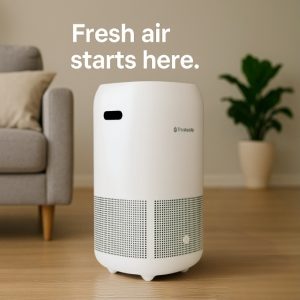
Constant sniffling, sneezing, and coughing is no way to spend the holidays. TrustedAir’s Smart HEPA Air Purifier helps create an allergy-friendly home environment by reducing allergens in your indoor air. It uses a 3-in-1 air purification system to efficiently clean spaces up to 1,900 square feet within an hour.
First, the allergen-filled air passes through a prefilter that captures large particles, such as dust, pet hair, and lint, to extend the life of the primary filters. Next, a HEPA filter traps 99.97% of micro particles, including fine particulate matter, bacteria, viruses, dust mites, pet dander, mold spores, and pollen. Finally, an activated carbon filter eliminates VOCs from wood and tobacco smoke and neutralizes gases, scents, and aromas, including cooking kitchen odors.
Besides its sleek, innovative design, this large-room, high-CADR air purifier offers exceptional air cleaning performance. It is incredibly easy to maintain and quiet enough to sleep, meditate, or work near. In Auto Mode, the unit monitors your indoor air quality and automatically activates as needed. It also features multiple fan speed settings, timer options, and an air quality status light. Use the companion app to track filter replacement schedules, control settings, monitor system performance, and more, right from your smartphone.
Learn how to size an air purifier properly and where to position it for optimal air quality.
Winter should be about warmth, comfort, and merriment, not dreading allergens vying for a place in your airways. By combining the allergy reduction strategies outlined in this article with an air purifier equipped with HEPA and activated carbon filters, you can keep your household’s air free of dust mites, pet dander, mold spores, VOCs, and other indoor allergy triggers.
If you have questions or would like to learn more about TrustedAir’s Smart HEPA Air Purifier, please call us at (877) 869-1507 or contact us via this form. Here’s to a sniffle-free season this winter and beyond!